

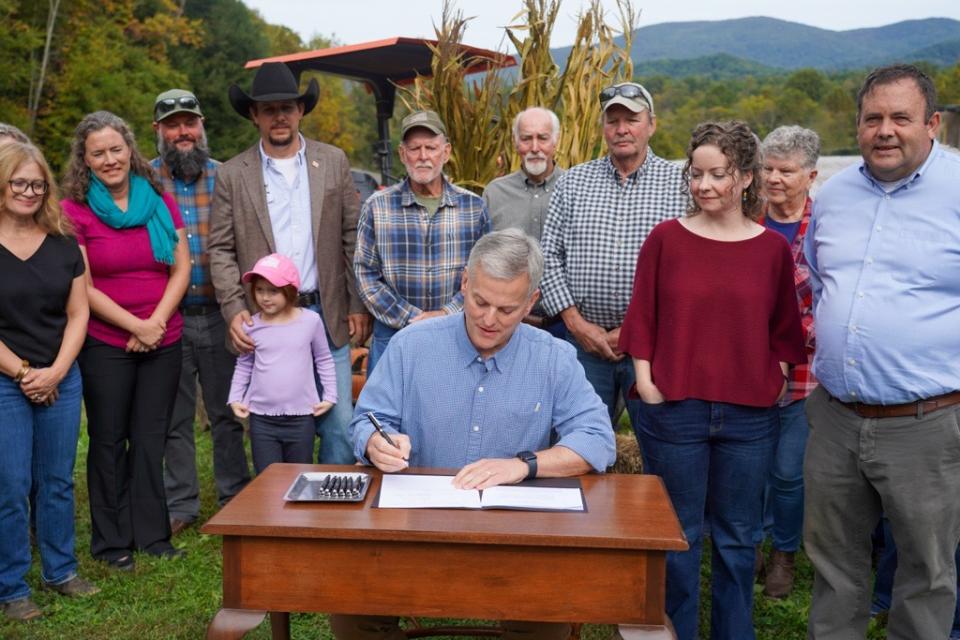
Governor Josh Stein today signed House Bill 3 into law, suspending the state gas tax.
“Rising grocery, utility, and gas prices are making the costs too high for people across our state,” said Stein. “I am signing this bill to keep more money in people’s wallets, but this temporary relief is just one step. I remain committed to continuing to work with anyone who wants to make everyday living more affordable all year long – not just during election season.”
House District 27 Representative Rodney D. Pierce said he voted for the bill “because North Carolina families facing gasoline prices above $4 a gallon and diesel prices above $6 deserve immediate relief. In rural communities like those in House District 27, residents often have to drive long distances to get to work, medical appointments, grocery stores and other essential services.”
Pierce said, however, “Let’s be honest about how we got here and why this legislation is moving now. The war in Iran and the Trump administration’s economic policies have contributed to rising fuel costs, putting additional pressure on working families, farmers and small businesses.”
He said the Republican-led legislature waited until weeks before Election Day to call a special session for a temporary tax suspension, despite these affordability challenges having gone on for months. “That timing raises legitimate questions about whether this is an election season political maneuver rather than part of a sincere effort to address the cost of living.”
Pierce said, "The extra session rules Republicans put in place would not allow House Democrats to offer any amendments. Democrats understand the cost-of-living crisis we're in. We feel it just like our constituents, and we wanted to look at ways to bring down the costs of groceries and utilities. But we weren't even allowed to debate the bill. Only our caucus leader, Representative Robert Reives, was allowed to speak on our behalf in reference to it.”
In the senate, Democratic Senator Jay Chaudhuri introduced an amendment to help make sure gas stations and fuel distributors actually pass the tax savings on to customers. “It would have allowed consumers to file complaints with the attorney general if those savings weren’t passed along and given the state a way to hold businesses accountable,” he said. “Unfortunately, Republicans ruled his amendment out of order. That was puzzling to me because if we're not going to have a way to ensure people are actually saving money on gas, what are we actually doing?”
Pierce said he supports temporary relief for working families, but people deserve more than a short-term measure announced just before an election. “Suspending the state’s 41-cent per gallon motor fuels tax through November 30 creates an opportunity for savings, but the full 41 cents is not guaranteed to reach consumers at the pump.”
He said the legislation replaces an estimated $362 million in lost fuel tax revenue with money from the state’s Stabilization and Inflation Reserve, protecting transportation funding during the suspension. “But drawing down reserves is not a long-term solution. We need accountability to ensure consumers receive the savings promised, and we need a serious, sustained response to the economic pressures families are facing — including the consequences of the war in Iran and federal policies that affect fuel and other household costs.”
The representative added, “North Carolina cannot celebrate its growth while continually restricting the resources needed for roads, schools, health care and public safety. Families deserve relief today and a state government capable of meeting their needs tomorrow.”
Meanwhile, Stein said he is committed to addressing rising fuel costs and lowering costs for North Carolina’s families.
Last week, he directed the North Carolina Department of Revenue to provide penalty relief from the prohibition on the highway use of red-dyed diesel fuel through the end of 2026 and successfully secured federal penalty relief for the use of the same fuel to lessen financial pressure on farmers.
The governor said he is also working to lower the cost of living by:
Increasing access to affordable housing opportunities. Earlier this year, he signed an executive order that directs cabinet agencies to work together to increase housing supply, affordability, and access and to use technology to deliver data-driven solutions.
Reining in surging health care costs. In June, Stein established the Health Care Affordability Commission made up of experts from across the health care landscape, including medical providers, hospitals, insurers, researchers, and patient advocates to develop timely, concrete solutions to make health care more affordable for all North Carolinians.
Protecting ratepayers by successfully pushing the legislature to end the sales tax exemption for data centers’ electricity use and opposing Duke Energy’s efforts to pass on utility costs to consumers.
Stabilizing the child care system. In July, Stein signed into law a budget that invests $160 million in child care subsidies so more parents can find care for their children. The budget included a first-of-its-kind statewide subsidy reimbursement rate floor.